Article Overview
The IEC 61300-3-35 standard defines the visual inspection and pass/fail criteria for fiber optic endfaces, including zones, defect limits, and magnification requirements.
Overview of IEC 61300-3-35
The IEC 61300-3-35 standard provides a framework for inspecting fiber optic endfaces to ensure cleanliness and minimize defects that can degrade optical performance . It specifies criteria for scratches, pits, and contamination and defines inspection zones on the fiber endface. The standard is applicable to both single-fiber and multi-fiber connectors and is widely used in manufacturing, field installation, and maintenance.
Inspection Zones
The standard divides the fiber endface into zones for defect evaluation:
- Zone A (Core): The central area where the optical signal travels; the most stringent criteria apply.
- Zone B (Cladding): Surrounds the core; defects here can affect mating and signal quality.
- Zone C (Adhesive) and Zone D (Contact/Ferrule): In the latest 2022 edition, these zones are no longer part of the PASS/FAIL criteria, though loose particles should be removed to prevent migration to critical zones .
For multi-fiber connectors (MPO/MTP), the standard recommends inspecting the entire ferrule and cleaning loose particles before evaluating individual fiber cores. Loose debris on the ferrule can create air gaps, increasing insertion loss and return loss.
Defect Classification and Pass/Fail Criteria
Defects are classified based on size and type: scratches, pits, and contamination. Instruments display the endface image and may provide automatic grading according to IEC 61300-3-35 criteria. Modern inspection tools, such as the Fluke Networks FI-3000 / FI2-7300 FiberInspector™ Ultra Camera, provide algorithmic PASS/FAIL results for each fiber endface . Manual microscopes can also be used, but consistent training and adherence to the standard are required to avoid subjective decisions .
Magnification and Display Requirements
- Recommended magnification: 200× to 400× for single-mode connectors to clearly observe core and cladding defects .
- Display: Instruments may use video scopes or digital cameras to show high-definition images of the endface. Automated systems overlay zone boundaries and defect markers to assist in grading.
- Automation: Fully automatic systems can scan, detect, and grade defects without operator bias, improving reliability and efficiency in both manufacturing and field applications .
Practical Considerations
- Inspect both ends of a patch cord before mating, as contamination on either side can cause signal loss.
- APC connectors reduce reflection but do not eliminate sensitivity to dust or scratches.
- Inspection should be performed after any network changes, equipment replacement, or troubleshooting.
- Cleaning and reinspection are essential; embedded defects may be deemed acceptable if loose particles cannot be removed .
Summary
The IEC 61300-3-35 standard ensures consistent fiber endface inspection by defining zones, defect types, and pass/fail criteria. Modern instruments implement these standards through high-resolution imaging, magnification, and automated grading, providing reliable and repeatable results for both single-fiber and multi-fiber connectors. Following this standard is critical for maintaining low insertion loss, high return loss, and overall network performance.
Achieving IEC standard compliance for fiber-optic connector quality
Automated endface inspection is an effective means of ensuring fiber connectors meet specifications. BY MATT BROWN, JDSU It is
Fiber inspection | Fiber equipment
Fiber inspection It''s a fact: dirty and/or damaged fiber connectors are one of the most common causes of optical network problems.
Best Practices for Standards-Compliant Fiber End Face Inspection
Download PDF Overview Inspection and cleaning of fiber optic end faces have been best practices for some time, yet contaminated
Fiber Optic Connector Inspection:
What is the IEC 61300-3-35 Standard ? IEC 61300-3-35 is a standard from the International Electrotechnical Commission which
Fiber Inspection. Fiber Optic Inspection Scope and Probe
In the effort to guarantee a common level of performance from the connector, the IEC developed Standard 61300-3-35 which
Fiber End-face Visual Inspector
EasyGetWiFi Wireless Fiber End-face Inspector EasyGetWiFi, its portable handheld fiber end-face visual inspector. Equipped with
endface inspection standards and guidelines: what you need to know
In conclusion, endface inspection is a critical process in fiber optic technology, and following industry standards and guidelines is
Fiber connector inspection & cleaning | Kingfisher
Application note: Fiber optic connector inspection and cleaning, using the latest IEC standards for
Fast Check MT Fully Fiber Endface Inspector
It adopts a large-field camera and high-precision optical system to realize one-time full-end face imaging
Endface Inspection-DIMENSION
Endface Inspection- Dimension is committed to creating a series of optical fiber end-face defect inspection
Introduction To 3D Endface Testing of Optical Fiber Connectors
3D endface testing is a critical procedure to ensure the performance of optical fiber connectors. During fiber patch cord
Relevant Standard For Inspecting Fiber Optic Connector End Faces
This standard provides detailed procedures for conducting visual inspections and utilizing inspection tools to assess
what-is-fiber-inspection-and-how-does-optic-fiber-inspection-work
Microscope views of 3 bad connectors As a result, proactive fiber optic inspection cleaning tools support the deployment of large
SmartCheck Intelligent Fiber Endface Inspector-DIMENSION
SmartCheck features automatic analysis, automatic focusing, automatic fiber switching, and automatic determination of fiber end
White Paper: Fiber Contamination, Cleaning and
This standard contains specific cleanliness grading criteria to assess pass or fail certification for inspection
Achieving IEC Standard Compliance for Fiber Optic Connector Quality
In the effort to guarantee a common level of performance from the connector, the International Electrotechnical Commission (IEC)
Optical End Face Inspection Guidelines
The best answer to the question “what should be inspected and cleaned?” is everything—every optical end-face connector should be
Easier Fiber End Face Inspections: Key Changes to IEC 61300-3-35
The latest IEC 61300-3-35 update includes simplified criteria for fiber end face inspection that can save time and
AUTOCHECK Intelligent Integrated Fiber End-face Visual Inspector
AutoCheck is the first intelligent integrated fiber end-face inspector developed by Dimension Technology. With the advantages of
Fiber End Face Inspection
Thorlabs'' Fiber End Face Inspection Systems include a Fiber Cleave Analyzer that performs interferometric
Endface Inspection for Fiber Connectors and Patch Cords
Learn how to inspect fiber connector endfaces using microscopes and IEC 61300-3-35
Fiber Endface Inspection – connectors, bare fiber ends,
It is an international standard that defines microscope requirements, inspection procedures, and
Fiber Inspection Scope Products
Shop fiber optic inspection scopes, including single- and multi-fiber inspection products from trusted brands like Dimension, Domaille,
Easier Fiber End Face Inspections: Key Changes to IEC
The IEC 61300-3-35 standard focuses on observing and classifying debris, scratches, and
Have you set the standard for fiber cleaning and inspection?
IEC 61300-3-35 is an international standard that focuses on fiber-optic interconnection devices and passive components. It is a set of
Sumix | Fiber inspection microscopes overview
Benchtop Microscope Polaris X High-end fiber microscope for detailed inspection of single fiber and multi
Best Practices for Standards-Compliant Fiber End Face Inspection
This standard defines criteria for minimum microscope compliance, inspection procedures, and specific cleanliness grading criteria to
Fiber optic connector end-face defect detection based on machine
Aiming at the main defective features in the fiber optic end face inspection process, this paper proposes a machine
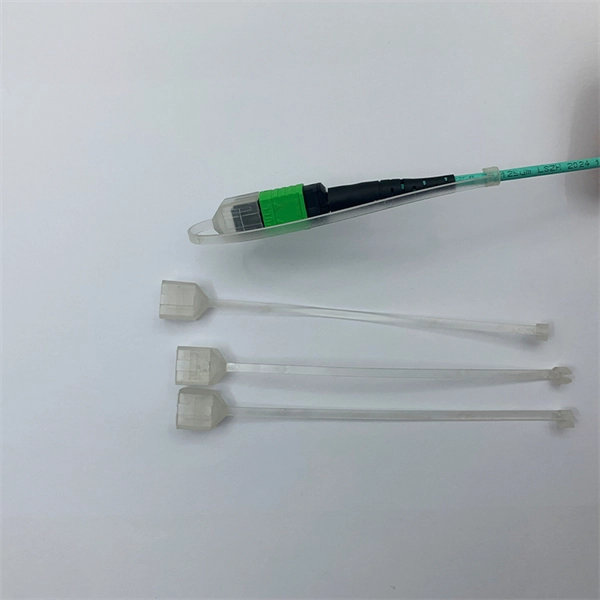
Fiber Connector End-Face Inspection Requirements
Fiber Connector End-Face Inspection Requirements This project is being organized to develop requirements for an industry-wide
Fiber End Face Interferometer
The GL16 Interferometer provides all the necessary components for fiber end face geometry measurement
Related Resources
- Does the distribution box need to be rewired
- How to connect fiber optic cables to the rack terminal box
- Which brands of optical power meters are good to use
- Optical module osx010000
- French fiber optic cable deployment
- Integrated Power Supply Series Products
- What materials are used to make network server racks
- Network Monitoring System Aggregator Switch
- Cable tray and corridor accessories manufacturer
- How should industrial power distribution boxes be configured
- Cable quantity installed in cable trays
- Gulf Region Micro Module IP68
- Yemen 16-core fiber optic distribution box
- Cable tray design catalog
- Does temperature affect the splicing of optical cables
- ONT Optical Network Terminal SFP in the Netherlands Overseas Warehouse
- Guangwei S30 Pro Optical Time Domain Reflectometer
- Cwdm plugin module