Article Overview
Cable trays do not always require conduit; tray cables can run openly in cable trays, but conduit is needed in high-risk or code-mandated environments.
Tray Cables and Cable Trays
Tray cables (TC, TC-ER, and similar types) are designed for use in cable trays, which are open structural pathways that support multiple cables across industrial, commercial, and some residential installations (NEC Article 392 and 336) . These cables are manufactured with robust jacketing to withstand moderate mechanical stress, and they can be installed directly in cable trays without conduit, allowing easy access for maintenance, heat dissipation, and rapid installation .
When Conduit Is Not Required
- Standard indoor cable tray installations: Tray cables can be laid openly in ladder, ventilated trough, or solid-bottom trays if they are properly supported and protected from excessive mechanical damage .
- Short exposed runs: TC-ER-rated cables can extend up to 6 feet outside the tray to connected equipment without conduit, provided they are secured and protected .
- Controlled environments: Areas without heavy equipment, vehicles, or harsh outdoor conditions typically do not require conduit .
When Conduit Is Required
Conduit is necessary in situations where additional protection or code compliance is required:
- Mechanical hazards: Locations with forklifts, heavy machinery, or high foot traffic may require conduit to prevent crushing, impact, or abrasion .
- Outdoor or underground installations: Standard tray cables must be in conduit unless specifically rated for direct burial; conduit also protects against UV exposure, moisture, and extreme weather .
- Hazardous or classified areas: Chemical plants, explosive atmospheres, or damp environments often mandate conduit for safety .
- Local code or AHJ requirements: Even if national standards allow open tray installation, local building codes or insurance directives may require conduit .
Advantages of Cable Trays Without Conduit
- Faster installation: Cables can be laid rather than pulled through pipes, reducing labor time .
- Easier maintenance: Individual cables are accessible for inspection, replacement, or addition without removing the entire run .
- Better heat dissipation: Open trays allow air circulation, preventing overheating of grouped cables .
- Flexibility: Adding or rerouting cables is simpler compared to conduit systems .
Summary
While cable trays provide a convenient and efficient method for routing multiple cables, conduit is not universally required. It is primarily needed for mechanical protection, environmental hazards, or compliance with specific codes. Proper selection of tray cable type, tray design, and adherence to NEC and local regulations ensures safe and effective installations.
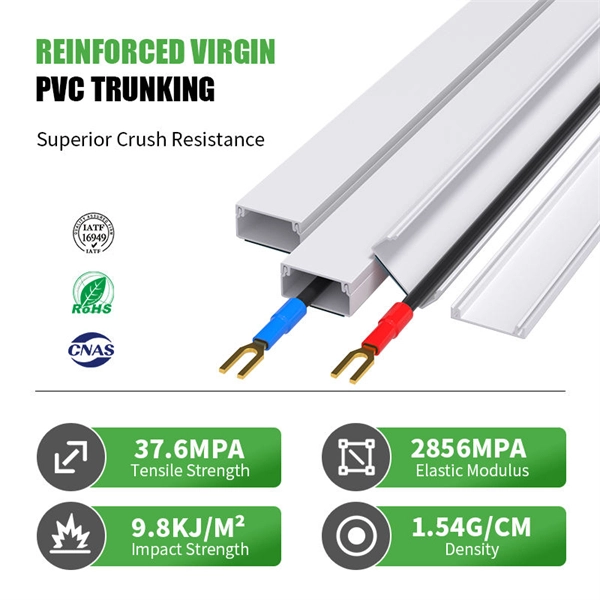
Types of Cable Trays – Purpose, Advantages,
Cable tray is alternatives to wire ways and electrical conduits, which completely enclose
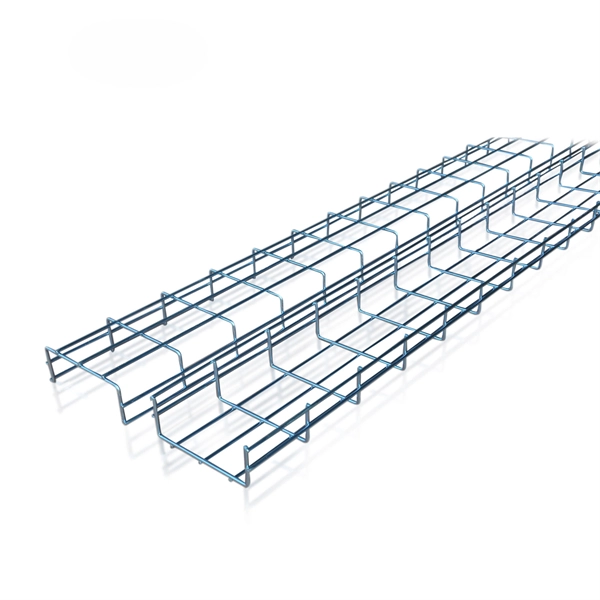
Cable Tray vs Conduit: Which Is Best for Your Project?
Tray‑based routes allow visual inspection, thermal scanning, and quick cable replacement without dismantling long
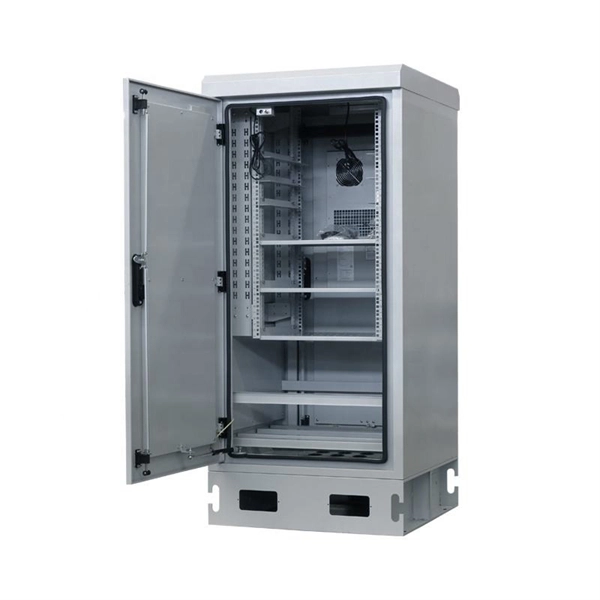
Cable Tray vs Conduit: Which Is Best for Your Project?
Choosing the right pathway for power and data cabling affects everything from installation speed to long‑term

Types of Cable Containment Systems: Trays, Trunks,
Discover the main types of cable containment systems—trays, trunking, and conduits—and

Cable Tray vs. Conduit: Which Is Better for Large
Cable trays facilitate easier maintenance and future modifications, with reduced risk of

Conduit vs Cable Trays: Choosing the Right Electrical
Discover the differences between cable tray vs conduit and determine which is better for your
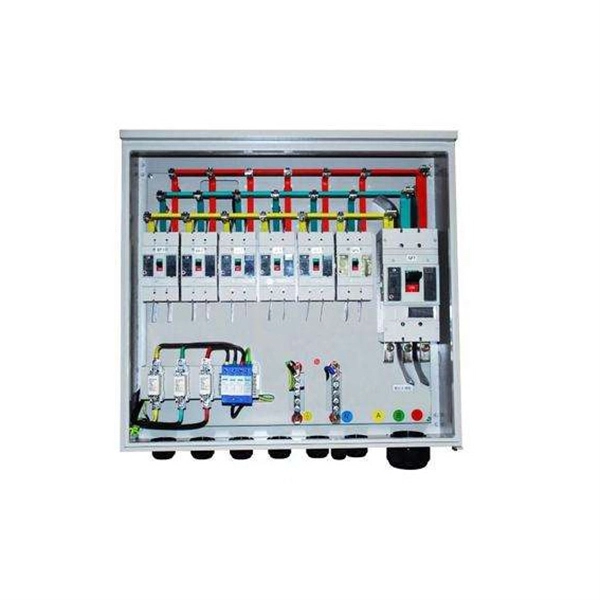
A Technical Guide to Tray Cable
Home / Resources / Technical Guide / A Technical Guide to Tray Cable A Technical Guide to Tray Cable Across industry tray cable

Cable Tray vs. Conduit | Information by Electrical Professionals for
I am doing a comparison on the use of cable tray vs conduit for a natural gas facility and would like input from anyone
Tray Installations
Tray Installations The placement of cables, ducts, and conduits can be done using cable trays – for both outside plant (OSP) and
Cable Tray vs. Conduit: A Comparison for Large-Scale Cable
Decide between cable trays and conduits for your project. This guide compares cost, flexibility, and installation ease

Tray Cable and Cable Trays Vs. Conduit: A
That is, cable trays are infrastructure used to support and convey electrical cables - which

Do Tray Cables Need to Be in Conduit? A Complete Guide
Tray cables are fundamentally designed for use in cable trays rather than conduit. However, conduit becomes
Do Tray Cables Need to Be in Conduit? A Complete Guide
Tray cables (TC, TC-ER, and similar types) are specially designed for use in cable tray systems, which support
About Cable Trays and Conduits
To add cable trays and conduits to a drawing, you draw the main runs, locating the risers. As you draw cable tray or conduit runs,
Cable Containment Systems | Trays, Baskets
Discover high-quality cable containment solutions at Direct Channel. Our range includes cable trays,

Cable Trays vs Conduits: Which One Should You Choose and Why?
Cable Trays vs Conduits Electrical installations, whether for industrial, commercial, or infrastructure projects, require reliable methods

Wiring system design: Cable tray vs. conduit
Key Concepts Conduit continues to be the mainstay of electrical power distribution. Cable trays provide wiring

Related Resources
- JDG pipes and galvanized cable trays
- Are fiber optic cables and electrical cables easy to transport
- Panama Base Station Energy Management System 48V
- Ranking of Mexican Electrical Distribution Box Companies
- Customization Process for 6-Core High Return Loss Adapters for Field Operations
- Relay Protection Switch Output Design
- Iranian European-style Trapezoidal Cable Tray
- Instruments for single busbar connection and single busbar segmented connection
- Liechtenstein Export UPS Power System 20kW CIF Price
- 800x200 Fireproof Cable Tray
- Wiring Arrangement for Distribution Boxes